Home Network Security
Router WPS Disable and Guest Network Checklist for 2026
A practical 2026 checklist with current-source caveats, decision tables, escalation points, and privacy-safe documentation steps.

- Use source-backed steps before changing security settings.
- Prioritize MFA, updates, backups, segmentation, and phishing-resistant habits.
- Save only the guides you need; no account is required.
This guide is current as of 2026-06-18. It is written to preserve AdSense readiness by giving original, practical structure instead of thin volume: current sources, clear escalation points, privacy-safe documentation, no affiliate pressure, and realistic limits.
Fast decision table
| Situation | Safer default | Record to keep | Escalate when |
|---|---|---|---|
| Current facts may have changed | Recheck the cited official or expert source | Source name and date checked | The source conflicts with your situation |
| A choice affects health, safety, money, work, or credentials | Slow down and use a checklist | What changed and who owns follow-up | Red flags or policy conflicts appear |
| Private information is involved | Use blank notes and minimum necessary sharing | Non-sensitive summary only | A professional or official channel asks for details |
| The plan depends on timing | Put dates and owners in one place | Next review date | A deadline, outage, or symptom changes |
Step 1: Treat WPS as a convenience feature to review
Many households leave router setup features enabled long after installation. Start by checking whether WPS is enabled, whether the router firmware is current, and whether the admin password is unique. If a feature is not needed for daily use, the safer default is to disable it.
The practical output should be a short note that another responsible person could follow without guessing. Keep the note specific enough to be useful, but avoid copying sensitive identifiers, private screenshots, medical records, credentials, or financial account details into casual shared documents.
Step 2: Use the guest network deliberately
A guest network is not just for visitors. It can separate short-term devices, smart-home gear, and untrusted gadgets from laptops that hold banking, work, tax, or family records. Use a strong passphrase and avoid posting it where cameras or guests can copy it later.
The practical output should be a short note that another responsible person could follow without guessing. Keep the note specific enough to be useful, but avoid copying sensitive identifiers, private screenshots, medical records, credentials, or financial account details into casual shared documents.

Step 3: Do not publish passwords as convenience
QR codes, sticky notes, and shared photos can spread farther than expected. If you must share Wi-Fi access, use the least sensitive network and change it after events, rentals, repairs, or long guest stays.
The practical output should be a short note that another responsible person could follow without guessing. Keep the note specific enough to be useful, but avoid copying sensitive identifiers, private screenshots, medical records, credentials, or financial account details into casual shared documents.
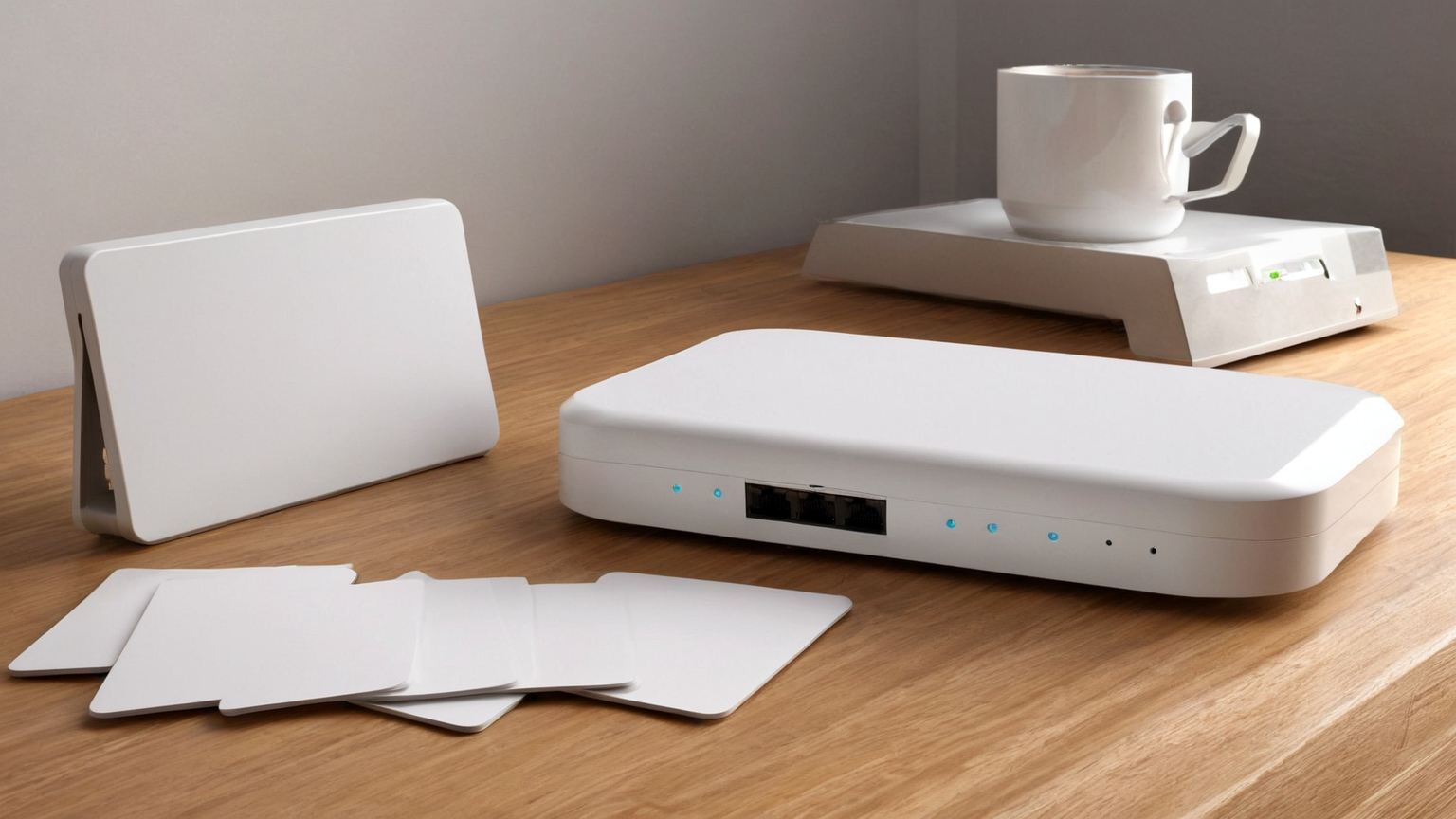
Step 4: Check router updates and admin access
Router security depends on current firmware, a unique administrator password, and remote-admin settings that match your actual need. If the router is ISP-managed, use the ISP’s current instructions rather than guessing from another model.
The practical output should be a short note that another responsible person could follow without guessing. Keep the note specific enough to be useful, but avoid copying sensitive identifiers, private screenshots, medical records, credentials, or financial account details into casual shared documents.

Step 5: Map devices before cutting access
Before changing networks, list work laptops, phones, TVs, cameras, printers, thermostats, school tablets, and medical or accessibility devices. Move risky or low-trust devices carefully so security improvements do not break essential access.
The practical output should be a short note that another responsible person could follow without guessing. Keep the note specific enough to be useful, but avoid copying sensitive identifiers, private screenshots, medical records, credentials, or financial account details into casual shared documents.

Step 6: Schedule the next review
Repeat the checklist after router replacement, ISP changes, travel rentals, smart-device purchases, houseguests, or a suspected password leak. A short recurring review is more durable than a one-time hardening session.
The practical output should be a short note that another responsible person could follow without guessing. Keep the note specific enough to be useful, but avoid copying sensitive identifiers, private screenshots, medical records, credentials, or financial account details into casual shared documents.
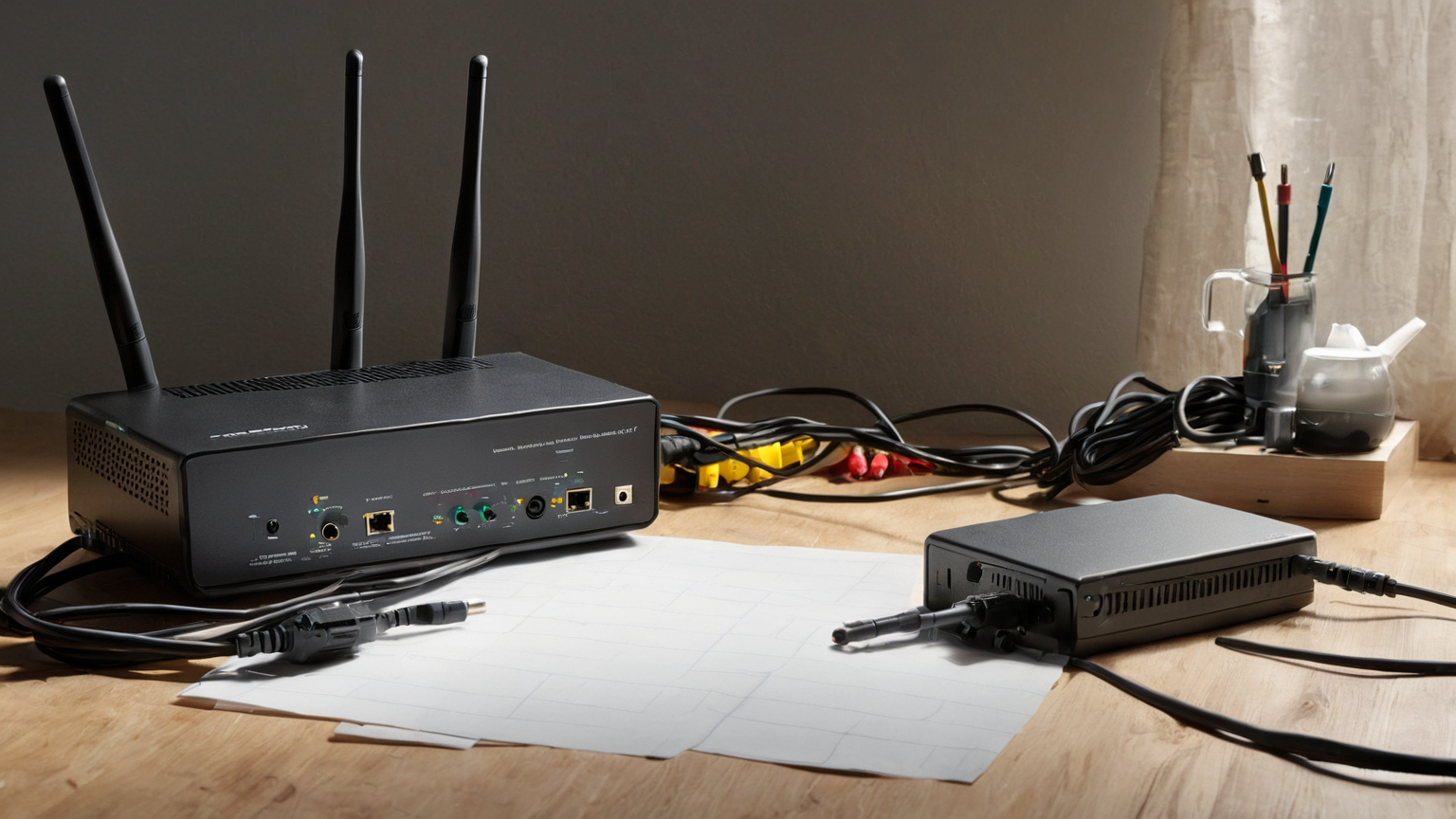
Implementation checklist
- Recheck the most current official or expert source before acting on stale-prone details.
- Write the decision owner, review date, and reason for the decision.
- Keep screenshots and private records out of shared notes unless an official process requires them.
- Separate what you know from what you are assuming.
- Use professional or official help when red flags appear.
- Revisit the plan after a seasonal, platform, policy, medical, workplace, or household change.
Common mistakes to avoid
- Treating a familiar problem as harmless without checking for red flags.
- Following a social post, AI answer, or outdated screenshot instead of a current primary source.
- Saving too much private information in a shared checklist.
- Waiting until the stressful moment to decide who owns the next step.
- Optimizing for convenience while ignoring safety, security, cash-flow, or policy limits.
FAQ
Why does this guide emphasize caveats?
Because pet care, remote work, security, and household finance decisions can become high-stakes when facts change. Caveats make the article more useful and reduce the risk of overclaiming.
What should I do if the sources disagree?
Prefer the most current official source for your location, platform, employer, veterinarian, benefits administrator, or account provider. If the decision affects health, legal/tax, credentials, or money, ask the relevant professional instead of guessing.
How does this improve site readiness?
The article adds a unique checklist, decision table, professional boundaries, internal links, source-backed wording, and six newly generated raster illustrations. It avoids filler, generic affiliate blocks, and unsupported promises.